
If your face stings after a new serum, flushes in a hot shower, or breaks out in tiny bumps along the jaw, your skin isn't being difficult. It's telling you the routine is asking more of it than it can comfortably give. Sensitivity tends to show up as tightness, itching, redness and stinging, and it often gets worse the harder you try to fix it. The encouraging part is that reactive skin usually calms down quickly once you strip things back. What follows is a beginner routine built on three steps: cleanse, moisturise, protect. No ten-product shelf, no acids, no experimenting for the sake of it.
Sensitive skin is a description, not a diagnosis. For some people it means a barrier that's easily overwhelmed by weather, stress or too many products. For others it's a specific reaction to fragrance, drying cleansers or exfoliating acids. And sometimes what looks like sensitivity is actually a skin condition that needs proper treatment. If your skin burns, flakes, itches persistently or reacts to nearly everything you put on it, see a doctor or dermatologist rather than guessing your way through the beauty aisle.
For everyday troubleshooting, keep a short note of what you used and how your skin felt an hour later. Patterns surface fast: the tingling toner, the sugar scrub, the foaming wash, the shower hot enough to fog the mirror. Once you can name two or three triggers, you can stop buying around them.
A gentle routine isn't a compromise. It's the version most dermatologists would recognise as sensible for reactive skin. These three steps cover everything your skin genuinely needs:
Everything else — serums, essences, masks, mists — is optional and only worth adding once these three feel boring and reliable.
Keep water lukewarm throughout. Hot water strips the oils that hold your barrier together, and it's one of the most common reasons a routine that looks perfect on paper still leaves skin red.
Reading labels gets easier once you know which names to look for and which to put back on the shelf.
Worth remembering: "natural" and "clean" don't mean gentle. Essential oils are one of the most common triggers for stinging and redness, and a short ingredient list from a plain pharmacy brand often beats a beautifully packaged botanical blend.
Introduce one product at a time, with about two weeks between additions, so you know exactly what caused a reaction if one appears. Test first on a small patch behind the ear or along the jaw for three to five nights. If that's calm, use it on your full face every other day for a week, then daily if all is well.
During a flare, go back to your three basics and nothing else. Don't reach for a medicated cream from the back of the cupboard and use it on your face long term without medical advice — some creams thin the skin when used that way.
Buy nothing new for a fortnight. Pick one gentle cleanser, one fragrance-free moisturiser and one sunscreen you don't mind wearing, and use them morning and night in the order above. That's it. Expect less stinging, less tightness and fewer random flare-ups — not flawless skin. Calming a reactive barrier is slow, unglamorous work.
After two weeks, note what changed and what didn't. If skin feels better, hold the routine steady for another month before adding a single serum. If it feels worse, drop the newest product first and give your skin a week to recover. Sticking with a short, predictable routine does more for sensitive skin than any product you could add to it.
Photo: cottonbro studio / Pexels

A step-by-step holiday party makeup checklist covering skin prep, base and eye techniques, setting layers, and the...

Eye creams aren't essential for everyone, but they can earn their spot. Here's how to tell whether your face...
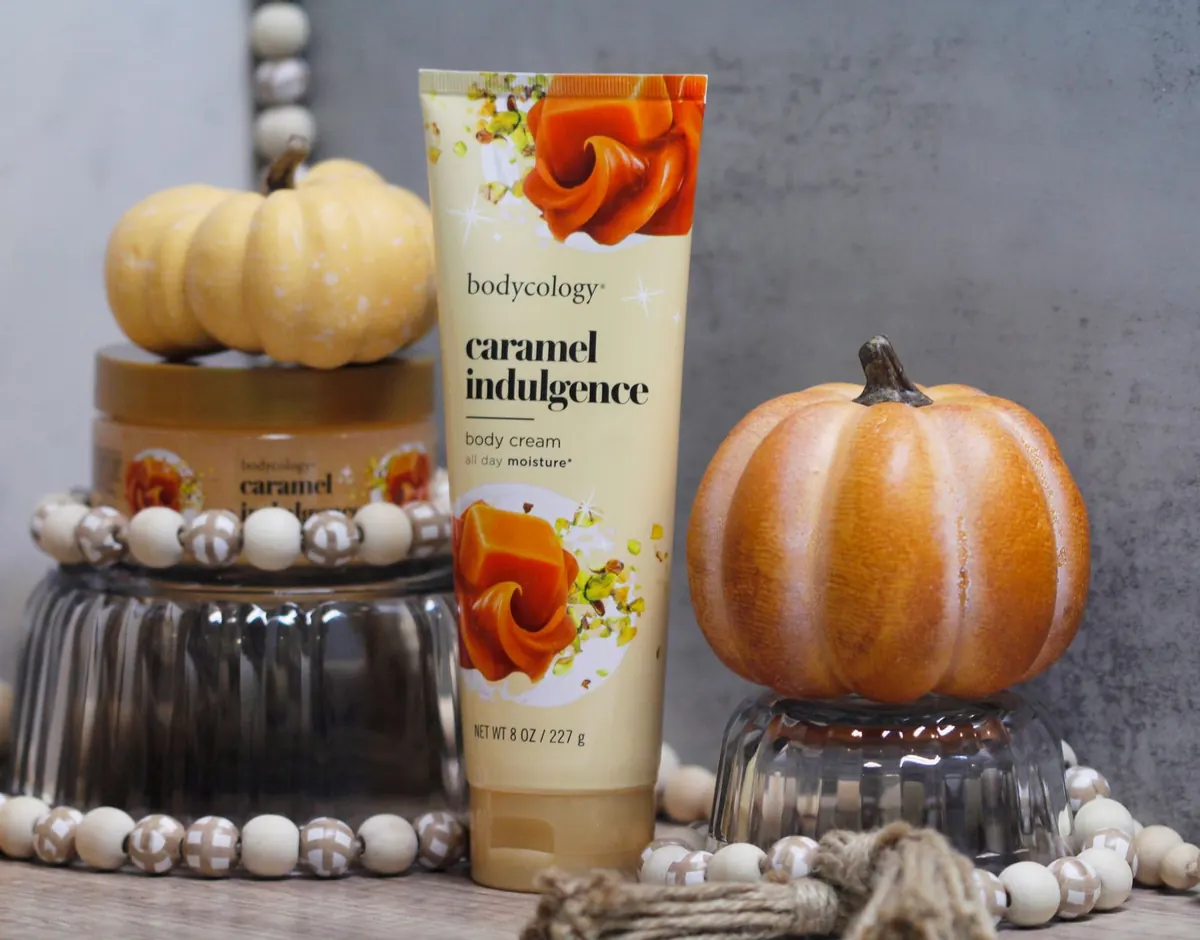
A practical seasonal guide to moving your body care from lightweight summer formulas to richer autumn hydration,...


British charm meets modern beauty..
