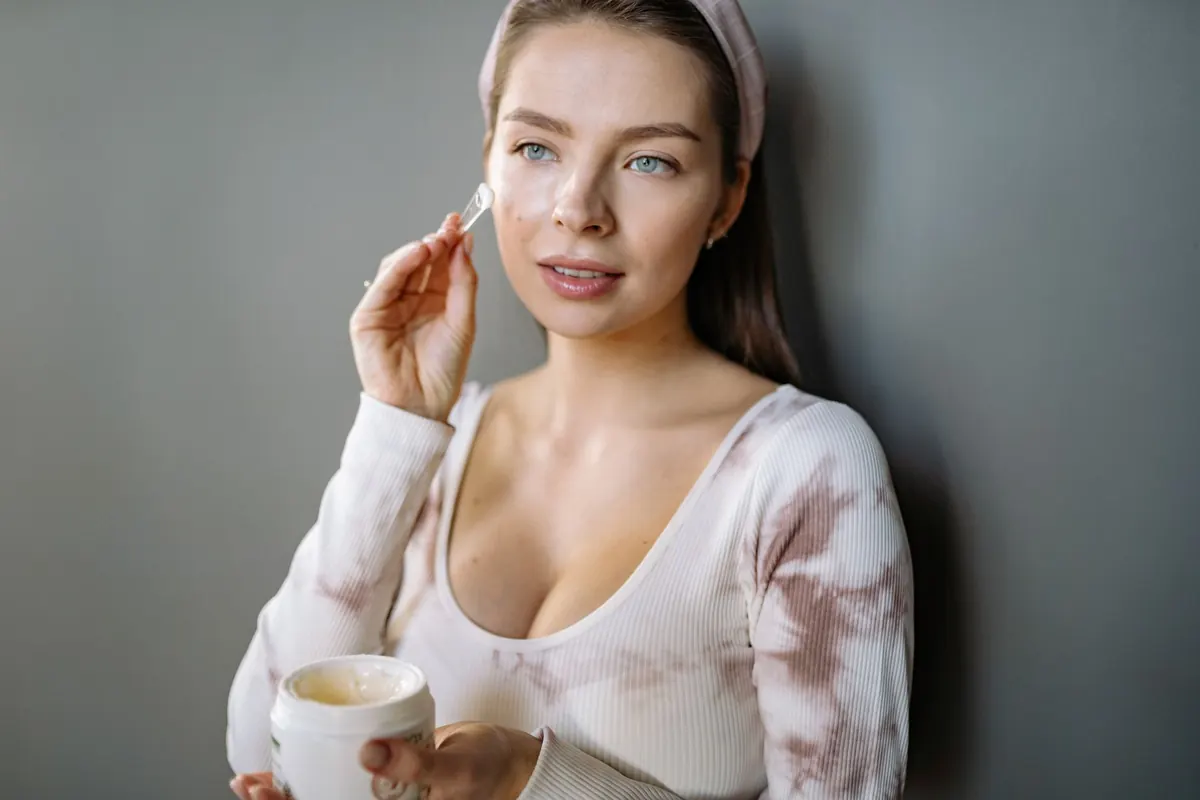
Walk down any skincare aisle and you'll find eye creams in tiny pots with not-so-tiny price tags. They promise to de-puff, brighten, smooth and soften fine lines, all in 15ml. Meanwhile, the moisturiser already sitting on your shelf claims to do plenty. So is a separate eye cream genuinely necessary, or are you just paying more for less product?
The honest answer sits somewhere between marketing and biology. Some people get real benefit from a dedicated eye product. Others are perfectly well served by the face cream they already own. What matters is knowing which group you fall into, and why.
The eye area is thinner than most of your face, with fewer oil glands and a lot more movement. It blinks thousands of times a day, creases when you smile, and sits close to the lash line and tear ducts. That combination makes it the first place many people notice dryness, crepiness and fine lines, and also the most likely place to react badly to something.
So eye products usually aren't just face cream in a smaller jar, though some genuinely are. Good ones tend to be fragrance-free, formulated at gentler concentrations, and light enough that concealer doesn't slide off them by lunchtime. That's a real difference. It's just not a magical one.
For plenty of people, a separate eye cream is optional. You can reasonably skip it if:
The catch is actives. Your everyday moisturiser is fine under the eyes. Your strongest serum usually isn't. Retinol, exfoliating acids, high-percentage vitamin C and anything heavily fragranced can leave the eye area red, flaky and irritated, and irritation over time doesn't make skin look younger. Keep those products above the orbital bone and let a gentler product handle the rest.
There are legitimate reasons to buy one. If your face cream makes your eyes water or sting, a lighter, fragrance-free eye formula solves a real problem. If you want caffeine for morning puffiness, retinol at a gentler strength for fine lines, or something specifically designed to sit under concealer, an eye cream is a sensible delivery system for that.
The strongest case is retinol. The eye area often benefits from retinoids but rarely tolerates the same strength you'd use on your forehead. A buffered, lower-strength eye formula lets you get the benefit without the peeling, and that's worth a small tube.
Glycerin, hyaluronic acid, panthenol, ceramides and squalane. Unglamorous, effective, and the base of most good eye products. If the eye area feels tight and crepey, this is what fixes it.
Caffeine is the common one, and it works mainly by temporarily constricting blood vessels, so expect a modest, short-lived effect. A cool applicator or a chilled spoon from the fridge does something similar. Puffiness driven by salt, alcohol or poor sleep won't be solved by a cream, no matter what the jar says.
Niacinamide, vitamin C derivatives and licorice root can help with pigmentation over time. Daily sunscreen does more. If your dark circles come from visible vessels or from shadowing caused by volume loss, no topical product will change them much.
Retinoids have the best track record, used gently and consistently. Peptides appear in many eye creams and are pleasant and hydrating, though results tend to be subtle. Start any new active two or three nights a week and build up.
Under-eye darkness usually comes from a mix of things: pigment in the skin, blue-purple vessels showing through thin tissue, shadow from a hollowed tear trough, or simply genetics. Allergies, congestion, broken sleep and dehydration can make it look worse.
Creams can help with pigmentation and hydration. They can't add volume back to a hollow area or thicken skin that's naturally thin. If you're chasing a result a cream can't deliver, you'll spend years and a lot of money being disappointed. Persistent swelling, a sudden change in one eye, or anything painful or itchy is a reason to see a doctor rather than a reason to buy another product.
Use roughly half a pea for both eyes. Warm it between your fingers and press it along the bone that circles the eye, letting it migrate inward on its own rather than dragging it across the lid. Pat, don't rub — the skin there doesn't need the friction. Apply to slightly damp skin after cleansing, before heavier creams, and keep a dedicated eye product in the fridge if morning puffiness is your main complaint.
Whatever you use, sunscreen is the product doing the most work for the area's long-term appearance, and sleep and a steady hand are close behind.
If your face moisturiser is gentle, unfragranced and comfortable under your eyes, you don't need a separate eye cream. Put the money toward a sunscreen you'll actually wear and a retinoid you'll actually use. If your face cream stings, or you want caffeine, a buffered retinol, or something that behaves well under makeup, a small dedicated tube is money well spent.
And if you're dealing with an ongoing skin concern around the eyes, or you've noticed a change that concerns you, it's worth checking with a doctor or dermatologist before adding more products to the shelf.
Photo: Yan Krukau / Pexels

A step-by-step holiday party makeup checklist covering skin prep, base and eye techniques, setting layers, and the...
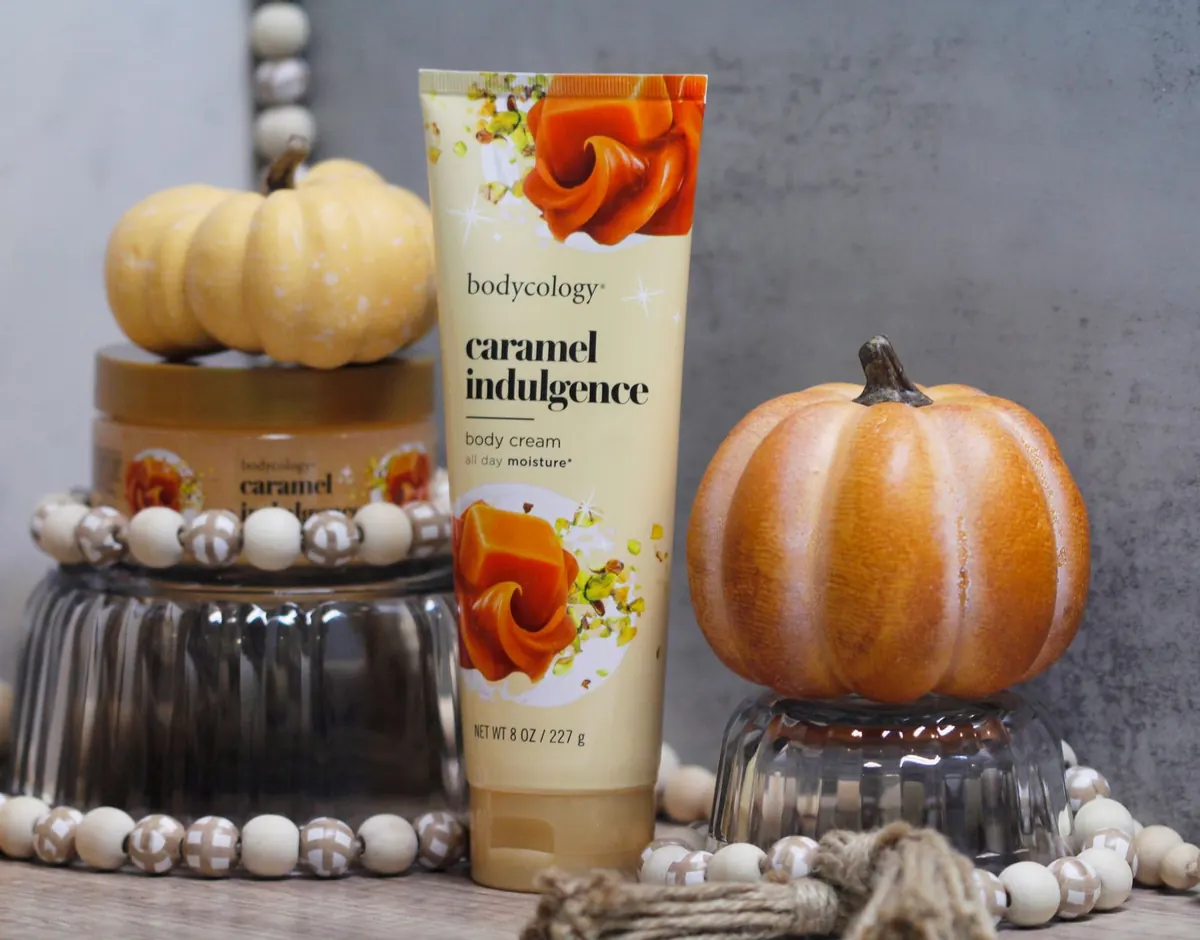
A practical seasonal guide to moving your body care from lightweight summer formulas to richer autumn hydration,...

Learn how skin prep, smart application points, layering and storage habits help your fragrance stay on your skin...

British charm meets modern beauty..
