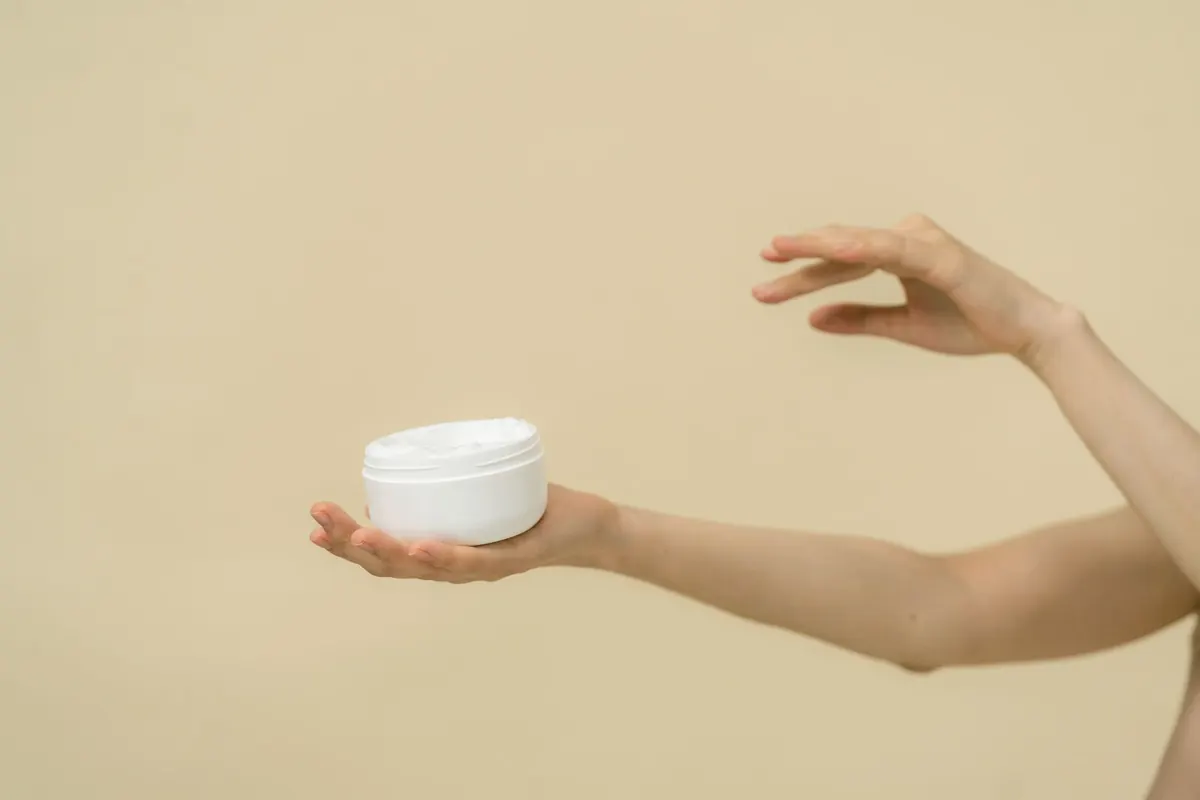
The body care aisle makes a promise it can't always keep: three tubs, three labels, one vague claim to softer skin. Grab the wrong one and you'll be greasy until lunch, or dry again by mid-afternoon. The difference between body butter, body cream and body lotion isn't marketing — it's the ratio of water to oil, and that single balance shapes everything else: texture, absorption speed, staying power, and which body parts each one actually suits.
If you remember one thing, make it this: the more water a product contains, the lighter and faster it absorbs. The more oil, the richer and longer-lasting it is.
Body moisturisers are built from three types of ingredients, and the format you choose is mostly a question of which ones lead the formula.
Humectants — glycerin, hyaluronic acid, urea, aloe — attract water and pull it into the top layers of skin. They feel light and watery and are the backbone of most lotions.
Emollients — shea butter, cocoa butter, jojoba, squalane, and fatty alcohols such as cetyl and stearyl alcohol — soften and smooth by filling the tiny gaps between skin cells. These give creams and butters their slip and cushion.
Occlusives — petrolatum, dimethicone, beeswax, some butters — sit on the surface and slow water loss. They're what makes a butter feel like a shield.
A lotion leans on humectants with a bit of oil. A cream balances humectants and emollients with some occlusive. A butter is emollient and occlusive almost all the way down. That's why the same butter that rescues cracked heels feels heavy on your chest in July.
Milky, sometimes almost runny. It disappears quickly, which is exactly why it's the one you can apply standing up, one foot out the door. The trade-off: it needs reapplying more often, especially on very dry skin or in dry indoor heat.
Thicker, richer, still glide-y. Give it two or three minutes before getting dressed. Creams are the workhorse of winter bathrooms and the best pick if you find lotion does nothing but find butters too heavy.
Dense, often solid in the tub. Cold weather makes it firmer; warm it between your hands and it melts on contact. You'll want to wait five to ten minutes before pulling on jeans. In exchange, one application can keep elbows and heels comfortable for a full day.
Ingredients are listed in order of weight, so the first few tell you almost everything.
Dry, flaky legs in February: cream or butter. Normal skin in June: lotion. Oily or breakout-prone skin on the back and chest: a light lotion, applied sparingly. Bumpy skin on the upper arms often tolerates a lotion with urea or lactic acid better than a heavy butter, which can sit on top and feel clogging.
Buying for a household? Keep a lotion in the pump bottle by the shower and a butter for feet and elbows. Two products cover most situations; you don't need five.
Most people do best with two: a body lotion for daily, whole-body use, and a body butter or rich cream for rough spots and cold weeks. Reach for the cream when lotion isn't enough but butter feels like too much. And if your skin stays itchy, cracked, or rashy no matter what you use, that's a conversation for a doctor or dermatologist rather than another tub of moisturiser.
Photo: SHVETS production / Pexels

A step-by-step holiday party makeup checklist covering skin prep, base and eye techniques, setting layers, and the...
Eye creams aren't essential for everyone, but they can earn their spot. Here's how to tell whether your face...
A practical seasonal guide to moving your body care from lightweight summer formulas to richer autumn hydration,...


British charm meets modern beauty..
